Eating Well When Cooking Feels Like Too Much

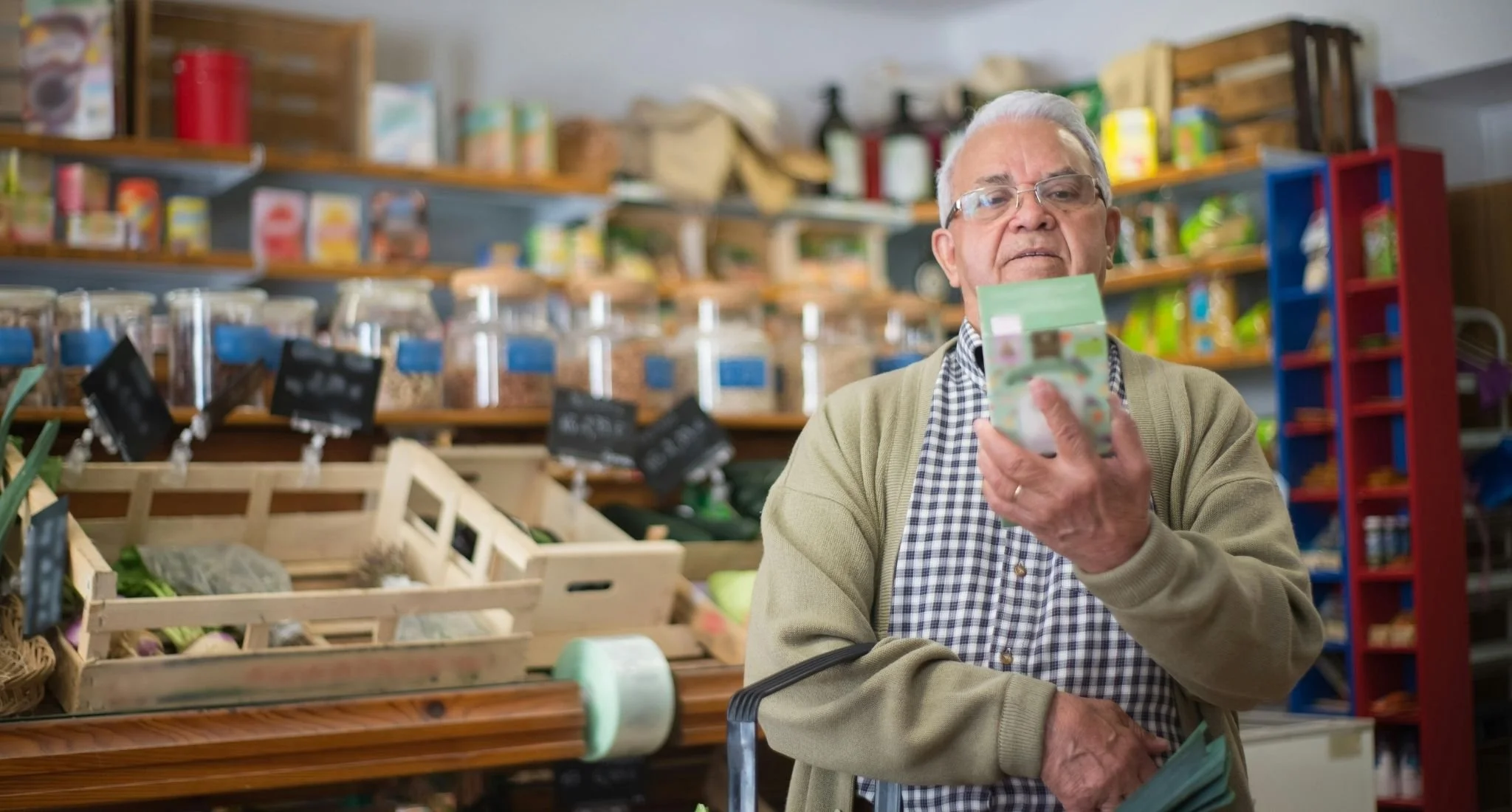
Some nights, the idea of cooking a real meal is just not happening. Maybe you're tired. Maybe it's just you at the table and it doesn't feel worth the effort. Maybe your appetite has been smaller lately and the thought of preparing something only to eat half of it feels like a waste.
This is more common than nutrition articles tend to acknowledge. Most food advice assumes you're motivated, energetic, and cooking for a family. It assumes you want to meal prep on Sundays and try new recipes on Tuesdays. A lot of people, especially those managing health conditions, living alone, or simply getting older, are working with a very different reality.
This article is for that reality.
Why Appetite and Energy Around Food Change
Before getting into practical options, it helps to understand why this happens, because it's not laziness or lack of discipline.
Several things reduce appetite and the motivation to cook as people get older. Taste and smell naturally diminish with age, which makes food less appealing. Some medications suppress appetite or change how food tastes. Eating alone removes the social dimension that makes meals feel worth preparing. Fatigue from managing a chronic condition, poor sleep, or grief can make even simple tasks feel like too much.
The result is that a lot of older adults aren't eating enough, or aren't eating enough of the right things, not because they don't know better, but because the usual advice doesn't fit their situation.
If your appetite has dropped significantly, or you've lost weight without trying, it's worth mentioning to your doctor. Sometimes there's an underlying cause worth addressing directly.
What Actually Matters Nutritionally
You don't need a perfect diet. You need a good enough one, consistently.
For older adults, a few things deserve particular attention.
Protein. This is the one most people undereat, especially when appetite is low and cooking feels like too much. Muscle mass naturally decreases with age, and adequate protein helps slow that process. It also supports healing, immune function, and energy. The target is higher than most people assume, roughly 25 to 30 grams per meal if possible, which is about the amount in three eggs, a cup of Greek yogurt, or a palm-sized piece of chicken or fish.
Hydration. The sense of thirst becomes less reliable with age, so dehydration is genuinely common in older adults even when they feel fine. Eating foods with high water content, soups, fruits, yogurt, helps. So does keeping water visible and accessible rather than waiting until you feel thirsty.
Fiber. Digestive function slows with age, and fiber helps. Fruits, vegetables, beans, and whole grains are the straightforward sources. Canned and frozen versions count just as much as fresh.
Calcium and vitamin D. Bone density becomes more important to protect as you age. Dairy, fortified foods, and fatty fish are good sources. Whether you need a supplement is worth discussing with your doctor based on your specific bloodwork and diet.
Beyond these, the goal is variety without pressure. Eating a range of foods over the course of a week matters more than hitting every nutrient at every meal.
Options That Don't Require Much
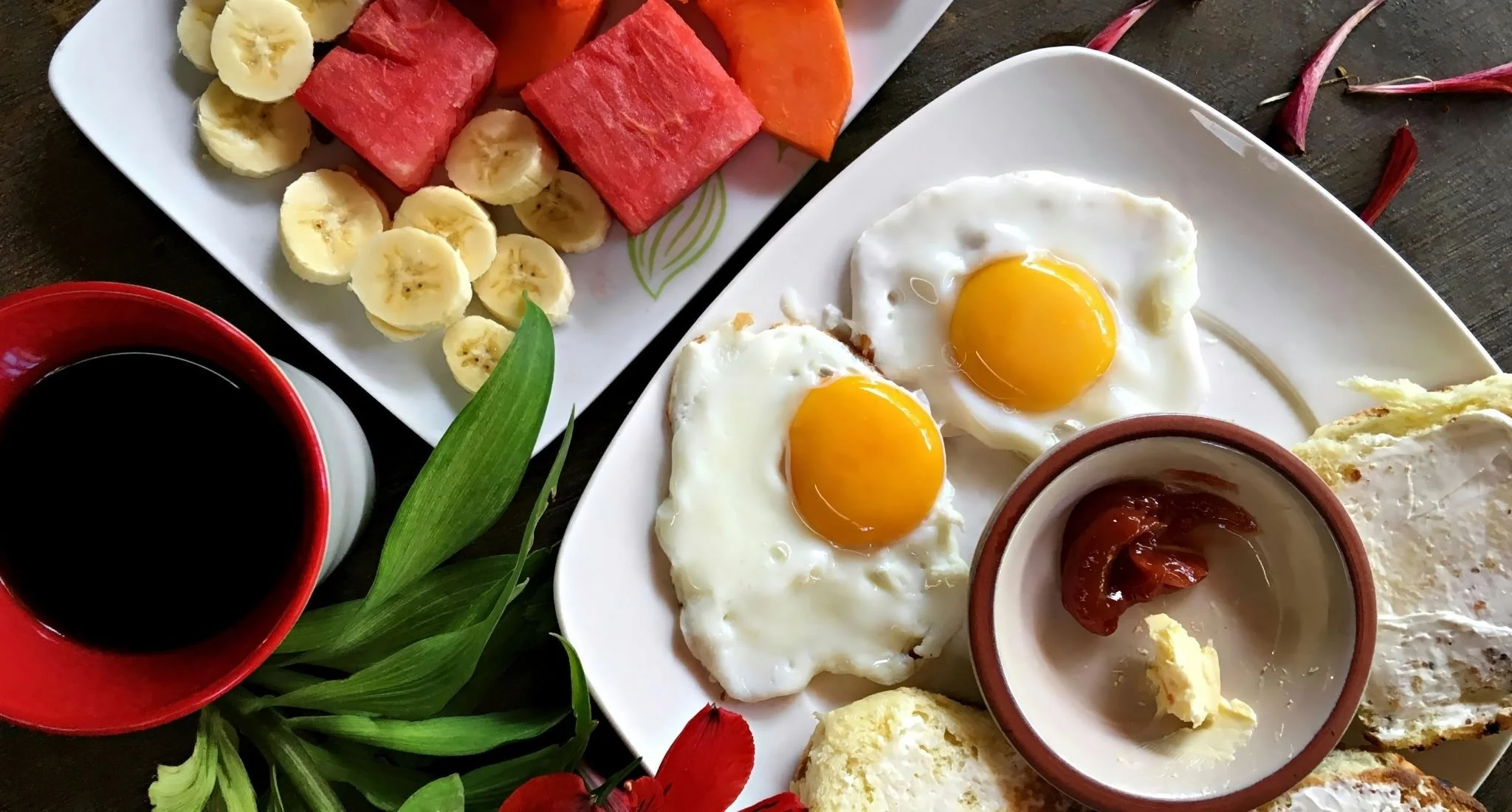
Eggs. Fast, cheap, high in protein, and endlessly flexible. Scrambled, fried, boiled, or made into a simple omelet with whatever's in the fridge. Two or three eggs take about five minutes and require minimal cleanup.
Rotisserie chicken. One of the most useful things in a grocery store for someone who doesn't want to cook. Already cooked, easy to pull apart, works in salads, sandwiches, soups, or just eaten on its own. Most grocery stores carry them daily and they're reasonably priced.
Canned fish. Tuna, salmon, and sardines are high in protein and omega-3 fatty acids, require no cooking, and keep in the pantry for months. Mixed with a little mayonnaise or eaten straight, they're a genuinely nutritious option that takes two minutes.
Greek yogurt. High in protein, easy to eat even when appetite is low, and works as a meal or a snack. Full-fat versions tend to be more satisfying and palatable. Adding fruit, nuts, or a drizzle of honey makes it more substantial without more effort.
Frozen vegetables. Nutritionally comparable to fresh, require no chopping or prep, and cook in minutes in the microwave. Keeping a few bags in the freezer means there's always something green available with almost no effort.
Soups and broths. Easy to eat even when appetite is low. Store-bought low-sodium soups are a reasonable option. Adding a protein, canned beans, shredded rotisserie chicken, or a boiled egg, makes them more nutritious. Broth on its own contributes to hydration and can feel appealing when solid food doesn't.
Peanut butter and nut butters. High in calories and protein, require no preparation, and keep well. On toast, with fruit, or straight from the spoon if that's where you are, it's a useful fallback.
Cheese. Often overlooked as a protein and calcium source. Easy to eat in small amounts, pairs with crackers or fruit, and requires nothing from you.
Making the Kitchen Work Better for You
Sometimes the barrier isn't motivation, it's the physical reality of cooking. A few adjustments can help.
Keep the bar low on purpose. A meal doesn't need to be cooked to count. Cheese, fruit, crackers, and a boiled egg is a perfectly reasonable dinner. Giving yourself permission to eat that without guilt removes a layer of friction.
Batch the things that are easy to batch. Hard boiled eggs last a week in the fridge and take no active cooking time. A pot of rice or grains can be made once and used across several meals. You're not meal prepping, just reducing the number of times you need to start from scratch.
Keep the useful things visible. If the fruit bowl is on the counter and the cookies are in the cabinet, you'll eat more fruit. Simple environment design works better than willpower.
Smaller plates and smaller portions are fine. If your appetite is genuinely smaller, trying to eat full portions often leads to feeling defeated by the food in front of you. A smaller amount eaten comfortably is better than a full plate left half-finished.
Convenience foods are not failure. Pre-washed salad greens, pre-cut vegetables, microwaveable grain pouches, rotisserie chicken, canned beans, these exist specifically to make eating easier. Using them regularly is a completely reasonable strategy.
When Cooking for One Feels Pointless
This deserves its own mention because it's real and it's common.
Eating alone changes the experience of food in ways that are hard to overstate. Meals that used to be social events become functional, sometimes even lonely. The motivation to cook something nice evaporates when there's nobody to share it with.
A few things help. Eating at a table rather than standing at the counter or in front of the television restores some of the ritual. A phone call with someone during a meal, or eating while watching something you enjoy, adds back a social dimension. Some people find that cooking slightly more than they need and freezing the rest makes the effort feel more worthwhile.
If eating alone has become associated with loneliness or grief, that's worth acknowledging rather than pushing through. Food and connection are genuinely linked for most people, and the solution isn't purely nutritional.
Practical Takeaways
Protein first. When appetite is low, prioritize protein over everything else. It does the most work.
Stock the easy things. Eggs, canned fish, Greek yogurt, nut butter, frozen vegetables, rotisserie chicken. A kitchen stocked with these means a decent meal is always available with minimal effort.
Eat on a loose schedule. When appetite is unreliable, waiting until you're hungry often means not eating enough. Eating at roughly consistent times, even small amounts, helps regulate appetite over time.
Don't let perfect be the enemy of fed. A simple, imperfect meal eaten is worth more than an ideal meal not made.
Mention significant appetite changes to your doctor. Gradual decrease is common with age, but a noticeable drop, especially with unintentional weight loss, is worth investigating.
Ready to see what care should feel like
The Bottom Line
Eating well doesn't require enthusiasm, a full pantry, or cooking for an audience. It requires having the right things available and giving yourself permission to keep it simple.
The goal isn't impressive meals. It's consistent, adequate nutrition that supports how you want to feel and function. Most of the time, that's more achievable than the usual advice makes it sound.
If you've noticed changes in your appetite, weight, or energy that concern you, bring it up at your next visit. At Ava Health Partners, we look at nutrition as part of the bigger picture of your health, not an afterthought.Related Articles