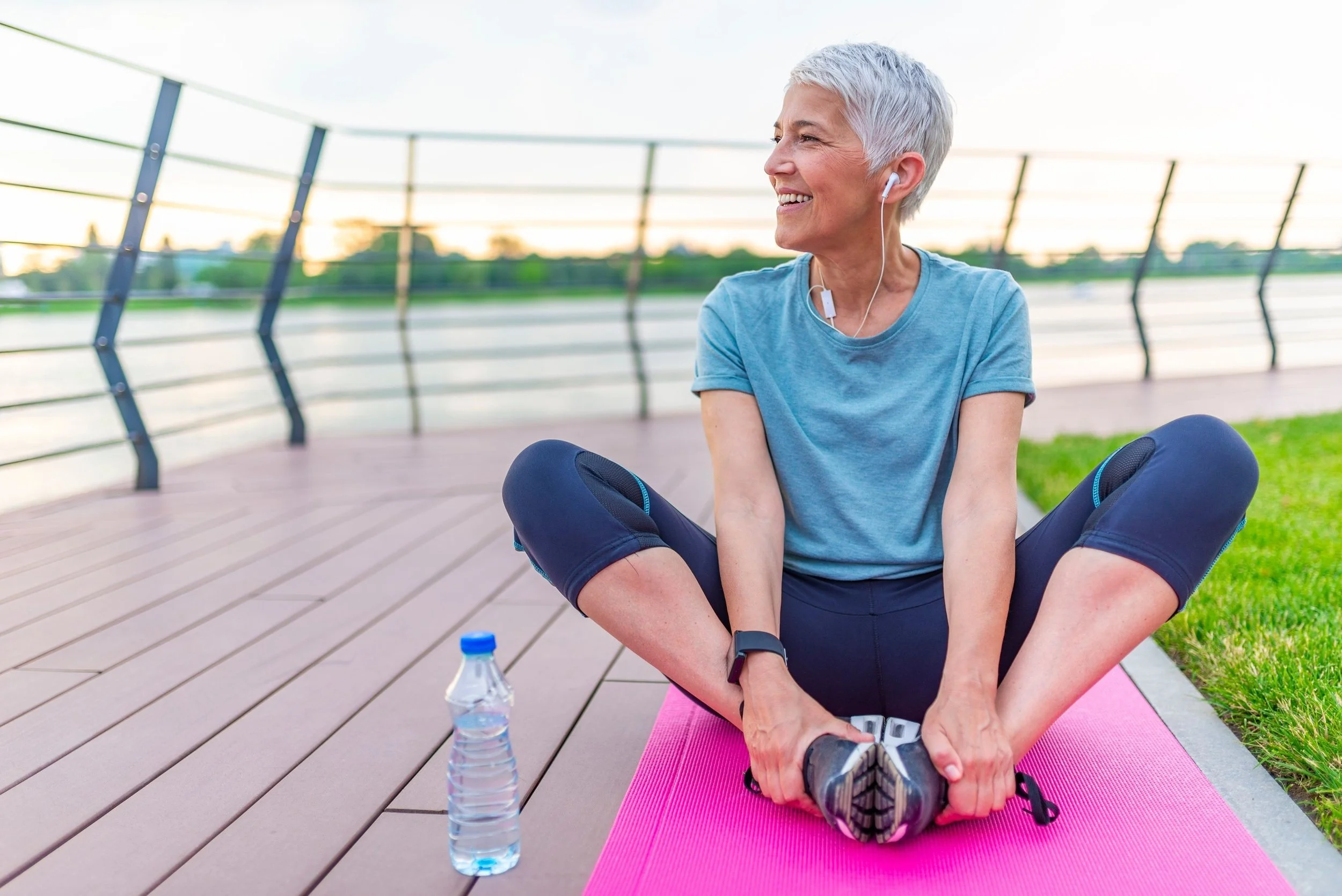
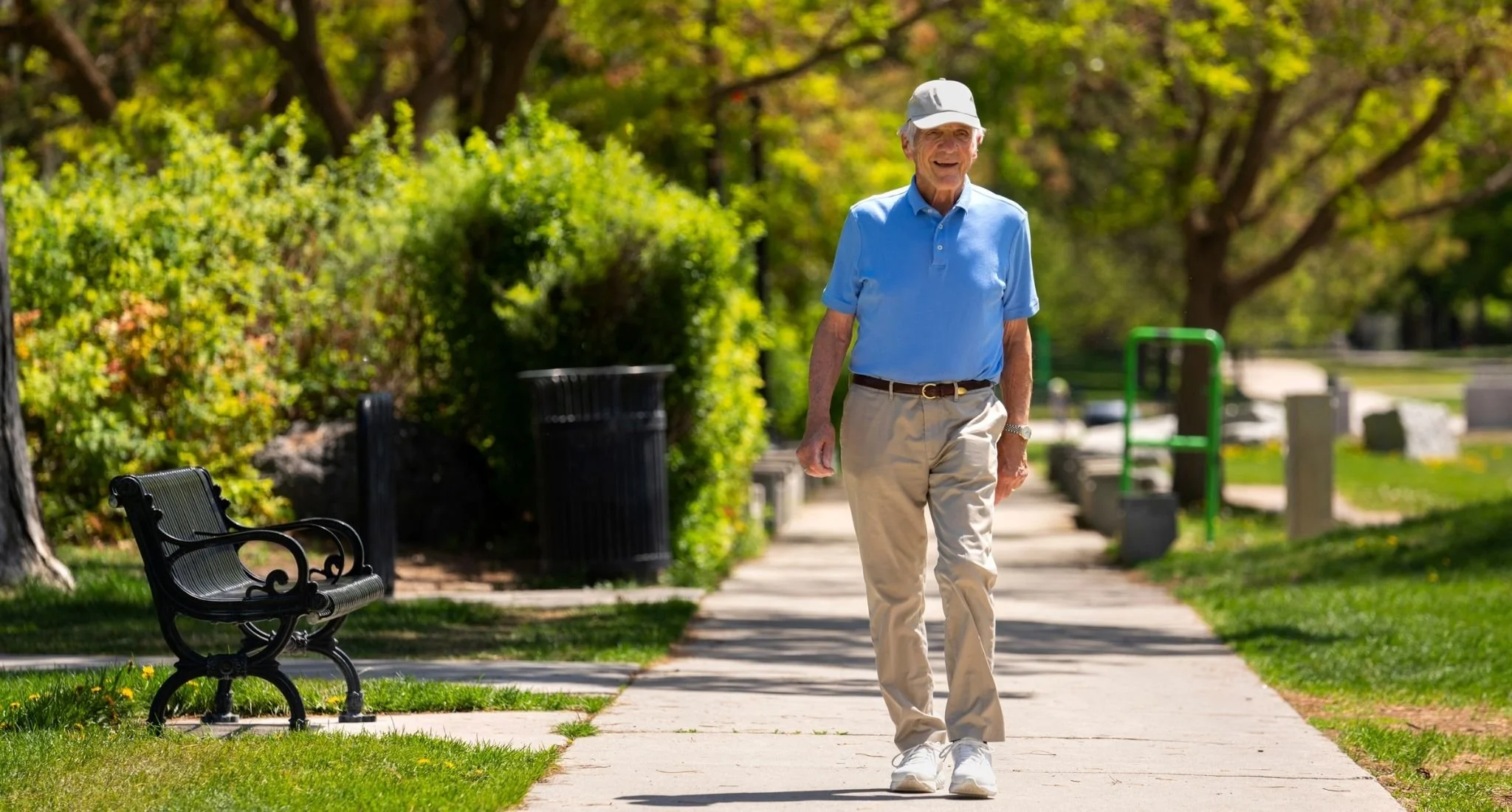
What a Daily Walk Actually Does to Your Body

Nobody is trying to sell you on walking. There's no equipment, no membership, no learning curve. You already know how to do it. You've been doing it your whole life.
And yet it keeps showing up in the research as one of the most consistently beneficial things a person can do for their health, across multiple systems, at almost any age or fitness level.
This isn't an article about hitting 10,000 steps or optimizing your pace. It's about understanding what regular walking actually does, so that the next time you lace up your shoes and head out the door, you know it's doing more than you might think.
What "Regular Walking" Actually Means
Before getting into the benefits, it's worth being clear about what counts.
You don't need to walk fast. You don't need to walk far. You don't need to do it all at once. Research consistently shows that moderate-paced walking, the kind where you can hold a conversation but feel like you're moving with purpose, produces real health benefits when done regularly.
Three 10-minute walks spread across a day produce comparable benefits to one 30-minute walk. A 20-minute walk most days of the week is enough to move the needle meaningfully on cardiovascular health, mood, and mobility.
The bar is lower than most people assume. Which is the point.
What It Does for Your Heart
Heart disease remains the leading cause of death in the United States, and the cardiovascular benefits of regular walking are among the most well-documented in exercise research.
Walking is aerobic activity, meaning it raises your heart rate moderately and keeps it there for a sustained period. That sustained effort strengthens the heart muscle, improves how efficiently it pumps blood, and helps keep the arteries more flexible and responsive over time.
Regular walkers tend to have lower resting blood pressure and better cholesterol profiles, specifically higher HDL (the kind associated with lower cardiovascular risk) and lower triglycerides. These aren't dramatic changes from a single walk, but they accumulate meaningfully with consistency.
For people already managing high blood pressure, high cholesterol, or type 2 diabetes, walking is one of the few interventions with consistent evidence behind it that costs nothing and has no side effects. It won't replace medication when medication is needed, but it works alongside it in ways that matter.
One finding worth knowing: even among people who have already had a cardiac event, regular walking is associated with significantly lower rates of second events. The heart responds to use.
What It Does for Your Joints
This one surprises people. The instinct is often to protect sore joints by resting them, and there are certainly times when rest is appropriate. But for most people managing osteoarthritis or general joint stiffness, regular movement is genuinely better than reduced movement.
Here's why. Cartilage, the cushioning tissue in your joints, doesn't have its own blood supply. It gets nutrients through the movement of synovial fluid, the fluid that lubricates the joint. When you move, that fluid circulates. When you don't, it stagnates. A joint that doesn't move regularly becomes stiffer, not more protected.
Walking also strengthens the muscles around the joints, particularly the knees and hips, which reduces the load the joint itself has to bear. Stronger supporting muscles mean less grinding, less pain over time, and better stability.
For people with knee osteoarthritis specifically, which is extremely common in adults over 60, moderate walking has been shown in multiple studies to reduce pain and improve function. Not eliminate it, but meaningfully reduce it. The key is consistency at a comfortable pace rather than pushing through significant pain.
If walking currently causes sharp or significant joint pain, that's worth discussing with your doctor before increasing activity. But mild stiffness that loosens up after a few minutes of movement is generally a sign to keep going, not to stop.
What It Does for Your Brain
The connection between walking and brain health is one of the more compelling areas of research in this space, and it deserves more attention than it typically gets.
Physical activity increases blood flow to the brain, including to the hippocampus, the region most associated with memory and learning. In older adults, the hippocampus naturally shrinks slightly over time, which contributes to the normal memory changes that come with aging. Regular aerobic exercise, including walking, has been shown to slow that shrinkage and in some studies to modestly increase hippocampal volume.
Walking also promotes the release of a protein called BDNF, brain-derived neurotrophic factor, which supports the growth and maintenance of neurons. Think of it as fertilizer for the brain. Higher levels are associated with better memory, sharper focus, and lower risk of cognitive decline.
Beyond the biology, walking outdoors in particular has consistent evidence for mood benefits. It reduces cortisol, the primary stress hormone. It increases serotonin and dopamine. Even a short walk in a natural setting, a park, a tree-lined street, a trail, produces measurable reductions in anxiety and rumination compared to walking on a treadmill or sitting quietly indoors.
For people managing depression or anxiety, walking won't replace treatment when treatment is needed. But it's a meaningful complement, and on the days when getting out the door feels hardest, it tends to help the most.
Balance and Fall Prevention
This deserves its own mention because falls are one of the most serious health risks for older adults, and regular walking directly addresses several of the factors that contribute to them.
Walking strengthens the legs, improves proprioception (your body's sense of where it is in space), and maintains the coordination between brain and muscle that keeps you steady on your feet. People who walk regularly tend to have better balance and reaction time than those who are mostly sedentary, even when age is held constant.
If balance is already a concern, walking with intention, paying attention to your gait, choosing even surfaces, and perhaps using a walking stick or poles for added stability, is a reasonable starting point. A physical therapist can also help identify specific exercises to pair with walking if balance is a particular issue.
Making It a Habit Without Making It a Project
The biggest barrier to walking regularly isn't knowing it's good for you. It's making it stick.
A few things help.
Attach it to something you already do. After breakfast, before the evening news, around the block before you get in the car. Tying a new habit to an existing one reduces the number of decisions required.
Start shorter than you think you need to. Ten minutes is enough to start. The goal in the first few weeks is consistency, not duration. A walk you actually take beats a longer one you skip.
Go the same route at first. Familiarity reduces friction. Once walking feels automatic, you can vary it.
Walk with someone when you can. Conversation makes the time pass, adds accountability, and turns a solo health habit into something social. If you have a friend, neighbor, or family member who walks, the combination of company and movement is genuinely good for both of you.
Don't let imperfect conditions stop you. You don't need perfect weather, perfect shoes, or a perfect route. A shorter walk in less-than-ideal conditions still counts.
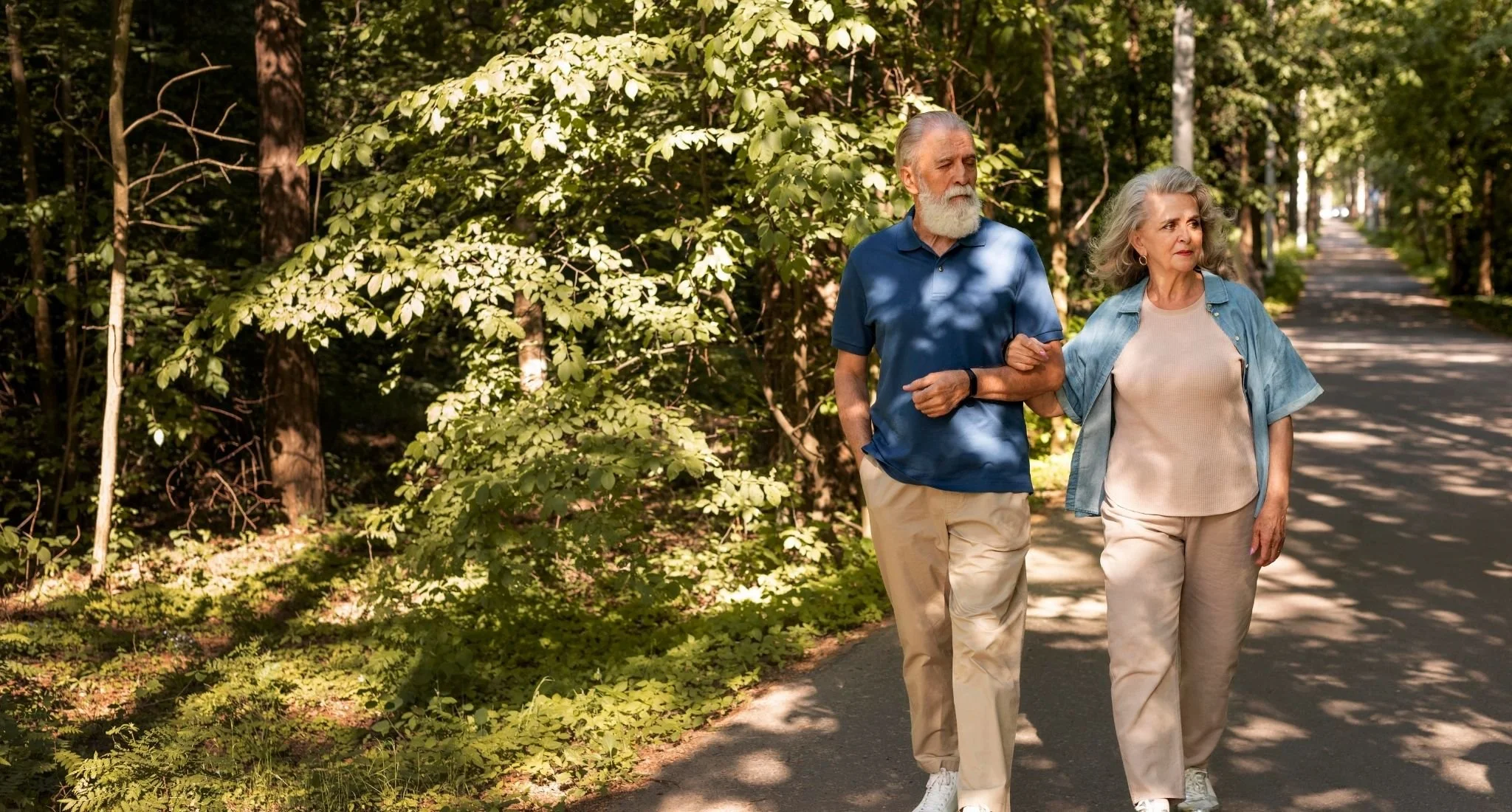
A Note on Getting Started After a Long Break
If you've been largely sedentary, starting gradually matters more than starting ambitiously. Begin with 10 to 15 minutes at a comfortable pace and add a few minutes each week. Let your body adapt before increasing distance or speed.
Some muscle soreness in the first week or two is normal. Sharp pain in your chest, joints, or legs is not. If you experience chest pain, significant shortness of breath, or dizziness during or after walking, stop and contact your doctor.
If you're managing a heart condition, recovering from a procedure, or dealing with significant joint problems, it's worth a quick conversation with your doctor before starting a new walking routine. Most of the time the answer will be to go ahead, possibly with specific guidance, but it's worth asking.
Practical Takeaways
Any amount counts. Ten minutes is better than nothing. Three short walks beat one long one you don't take.
Comfortable pace is the right pace. Able to talk, slightly breathless, moving with purpose. You don't need to push.
Consistency matters more than intensity. Five days a week at an easy pace does more than one hard walk on the weekend.
Outside is better for mood when possible. Natural settings, even just a neighborhood with trees, add a mental health benefit that indoor walking doesn't replicate as well.
Bring water. Especially in Arizona, Nevada, and California heat. Dehydration happens faster than most people expect, particularly in older adults.
Tell your doctor you've started. It's relevant to your overall care picture, and most doctors will be glad to hear it.
Ready to see what care should feel like
The Bottom Line
Walking is not a consolation prize for people who can't do "real" exercise. It is real exercise, with real, documented effects on the heart, joints, brain, and mood.
It asks very little of you. No gym, no gear, no instruction, no perfect conditions. Just consistent, reasonable effort over time.
If there's one habit worth building or protecting as you get older, this is a strong candidate. Not because it fixes everything, but because it quietly supports almost everything else.
If you're not sure where to start, or if a health condition has you uncertain about what's safe, bring it up at your next visit. At Ava Health Partners, we'd rather help you find a starting point than have you wait for the perfect moment that never comes.Related Articles